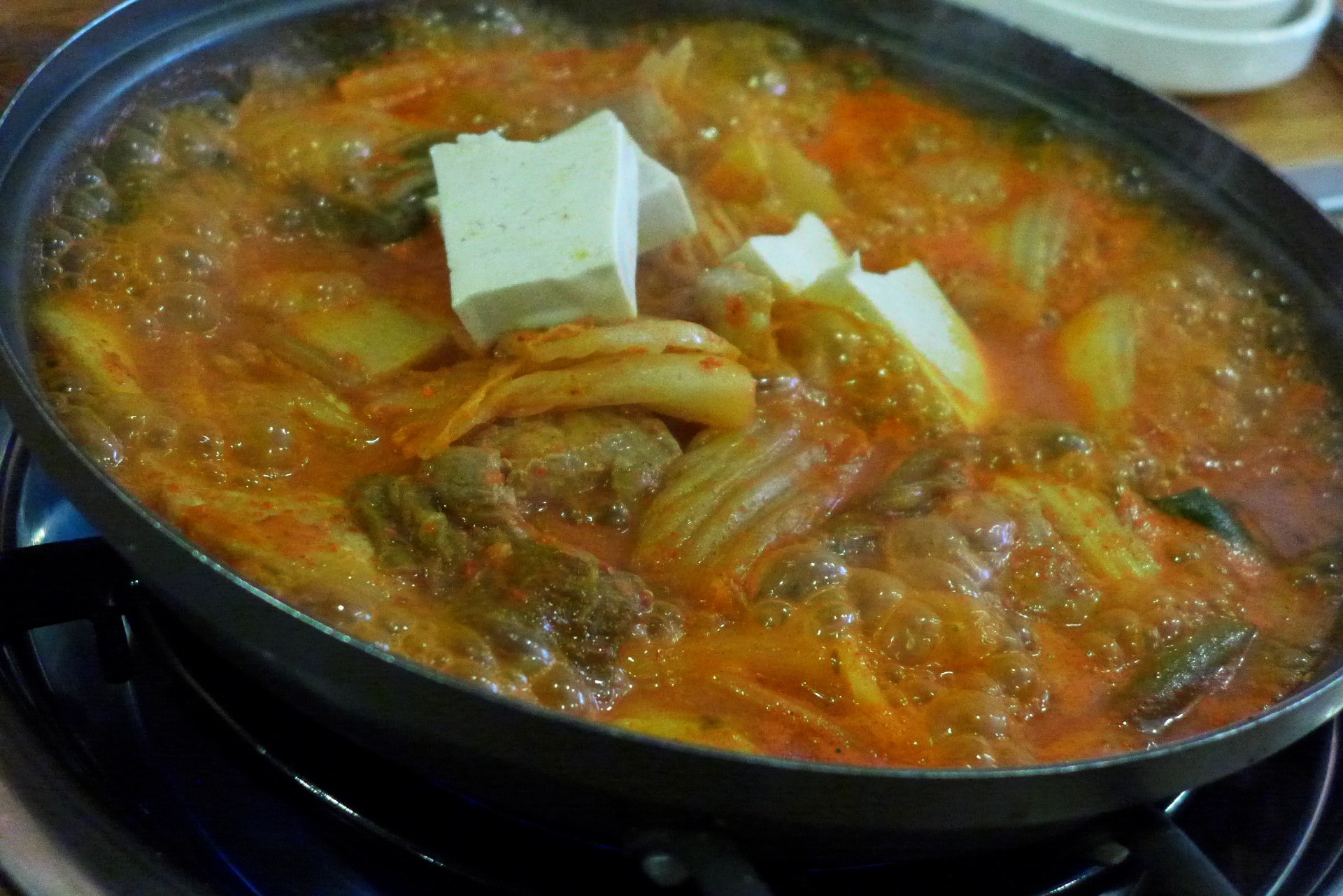
Almost every Korean dish you love starts with the same few jars. Koreans call them jang (장): fermented pastes and sauces that families once made at home in big clay pots called jangdok. Once you know the five basics, Korean menus, recipes and supermarket aisles suddenly make sense.
The short version: Gochujang = sweet-spicy red chili paste. Doenjang = funky soybean paste, like a stronger miso. Ssamjang = the two mixed together, for dipping BBQ. Ganjang = Korean soy sauce. Gochugaru = chili flakes, the backbone of kimchi.
| Sauce | Korean | Tastes like | Used in |
|---|---|---|---|
| Gochujang | 고추장 | Sweet, spicy, savory, sticky | Tteokbokki, bibimbap, spicy stir-fries, marinades |
| Doenjang | 된장 | Salty, earthy, deeply fermented | Doenjang jjigae, soups, vegetable side dishes |
| Ssamjang | 쌈장 | Savory, nutty, a little spicy | Dip for BBQ lettuce wraps and raw vegetables |
| Ganjang | 간장 | Salty, umami | Bulgogi, japchae, braises, dipping sauces |
| Gochugaru | 고춧가루 | Fruity, smoky, mild to hot | Kimchi, stews, almost every spicy dish |

1. Gochujang (고추장): Korean chili paste
Made from chili powder, glutinous rice, fermented soybean powder and salt, gochujang is thick, glossy and slightly sweet. It is the flavor behind tteokbokki, the red sauce in bibimbap and the glaze on spicy pork.
- Spice levels on the tub: Korean gochujang has a standard heat label from mild (순한맛) to very hot (매우매운맛), often with a “GHU” number. If you are not used to spice, pick mild or medium.
- Famous brands: CJ Haechandle (해찬들), Daesang Chungjungone / Sunchang (청정원 순창) and Sempio (샘표).
- Try it in: our jeyuk bokkeum (spicy pork) recipe.
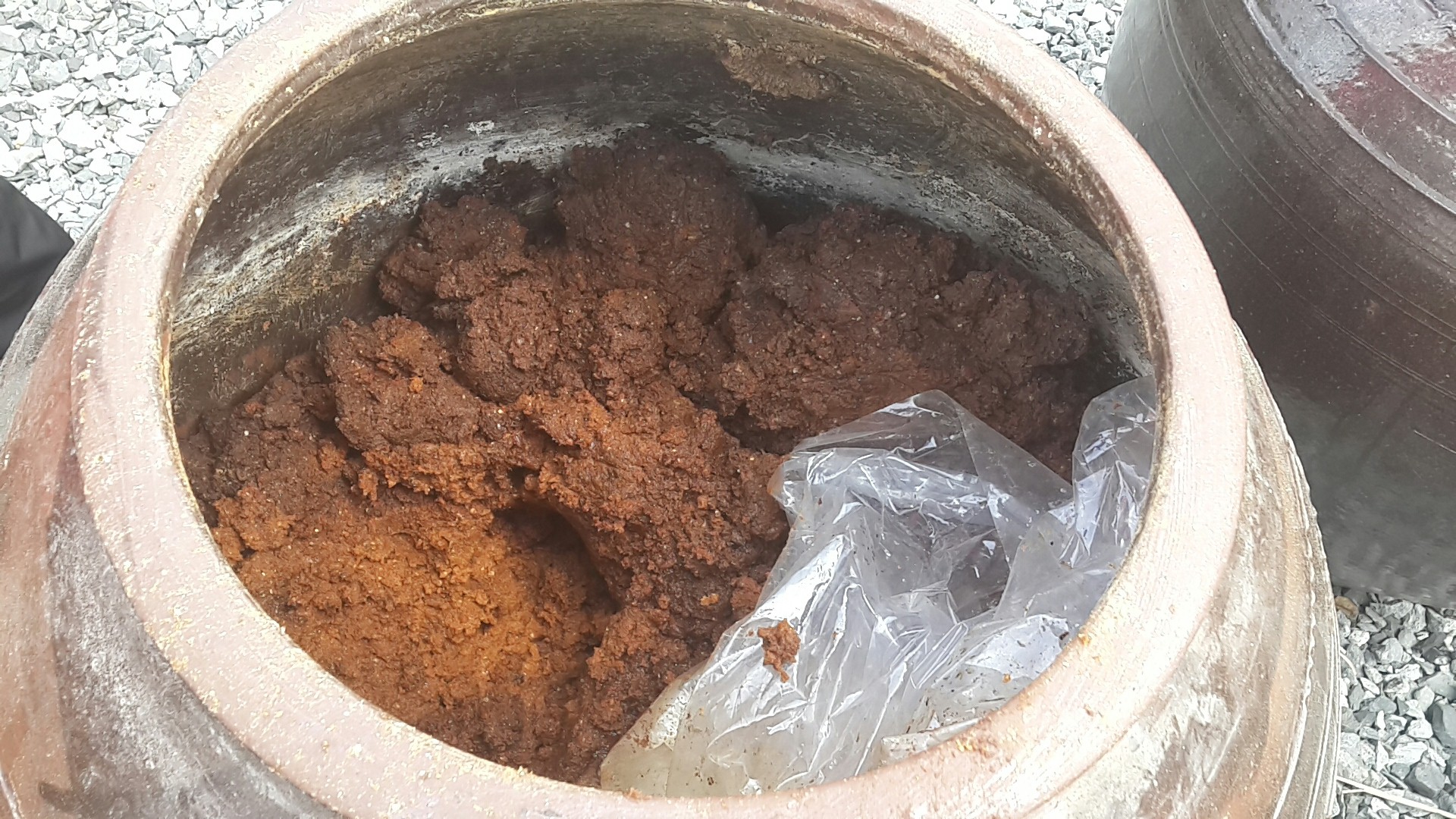
2. Doenjang (된장): fermented soybean paste
Doenjang is Korea’s answer to miso, but chunkier, saltier and much more pungent, because it is fermented longer and often with whole soybean blocks (meju). It is the base of doenjang jjigae, the stew that many Koreans eat several times a week.
- Smell warning: it is strong. That is a good sign.
- Store-bought vs homemade: supermarket doenjang is milder and slightly sweet. Traditional “jaeraesik” (재래식) doenjang is darker and funkier.
- Try it in: our doenjang jjigae recipe.

3. Ssamjang (쌈장): the BBQ dip
Ssamjang is doenjang and gochujang mixed with garlic, sesame oil and sometimes sugar. At every Korean BBQ restaurant you will get a little dish of it: put a piece of grilled meat on lettuce, add a dab of ssamjang, a slice of garlic, wrap and eat in one bite.
Read more in our Korean BBQ guide.

4. Ganjang (간장): Korean soy sauce
Korean supermarkets sell several kinds of soy sauce, and using the wrong one can ruin a dish:
- Jin-ganjang (진간장): the everyday all-purpose soy sauce for marinades and stir-fries (used in bulgogi).
- Guk-ganjang (국간장): “soup soy sauce”. Lighter in color but saltier, used to season soups without darkening them.
- Yangjo-ganjang (양조간장): naturally brewed soy sauce, good for dipping and dressings.
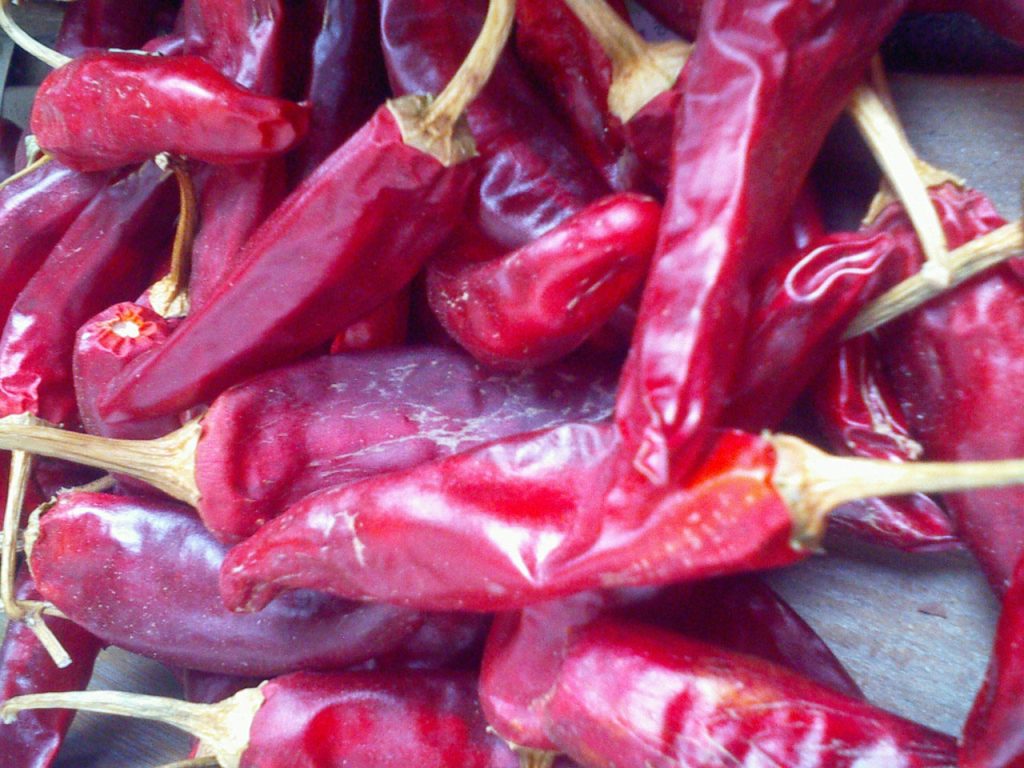
5. Gochugaru (고춧가루): Korean chili flakes
Sun-dried Korean red peppers, ground into bright red flakes. They are fruitier and less fiery than most chili flakes, which is why kimchi can be so red without being painfully hot. Coarse flakes are for kimchi; fine powder is for gochujang and smooth sauces.
Bonus: the supporting cast
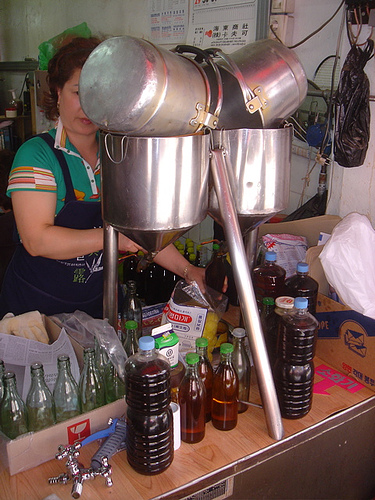
- Sesame oil (참기름, chamgireum): a few drops at the end of cooking. Korean sesame oil is roasted and very fragrant.
- Perilla oil (들기름, deulgireum): nutty and grassy, loved on noodles and namul.
- Fish sauce and salted shrimp (액젓, 새우젓): the hidden umami in kimchi.
- Plum syrup (매실청, maesilcheong): a sweet-sour syrup Korean home cooks use instead of sugar.
How to taste them all in Korea
- Korean BBQ: ssamjang, plus salted sesame oil for dipping.
- A baekban (set meal) restaurant: doenjang jjigae and side dishes seasoned with ganjang and sesame oil.
- Tteokbokki at a market: pure gochujang power. See our Gwangjang Market guide.
- Traditional jang villages such as Sunchang (North Jeolla) have museums and tastings if you travel outside Seoul.
Want to bring some home? Read our Korean pantry shopping list with brands, prices and packing tips.
FAQ
What is the difference between gochujang and doenjang?
Gochujang is a sweet, spicy chili paste; doenjang is a salty, earthy soybean paste with no chili. Mix them and you get ssamjang.
Is gochujang vegan?
Most basic gochujang is plant-based, but some brands add ingredients like malt syrup or flavor enhancers, and a few contain fish or meat extracts. Check the label, or see our vegan guide to Seoul.
Does gochujang need to be refrigerated?
Yes, after opening. Kept cold and sealed, it lasts for months.