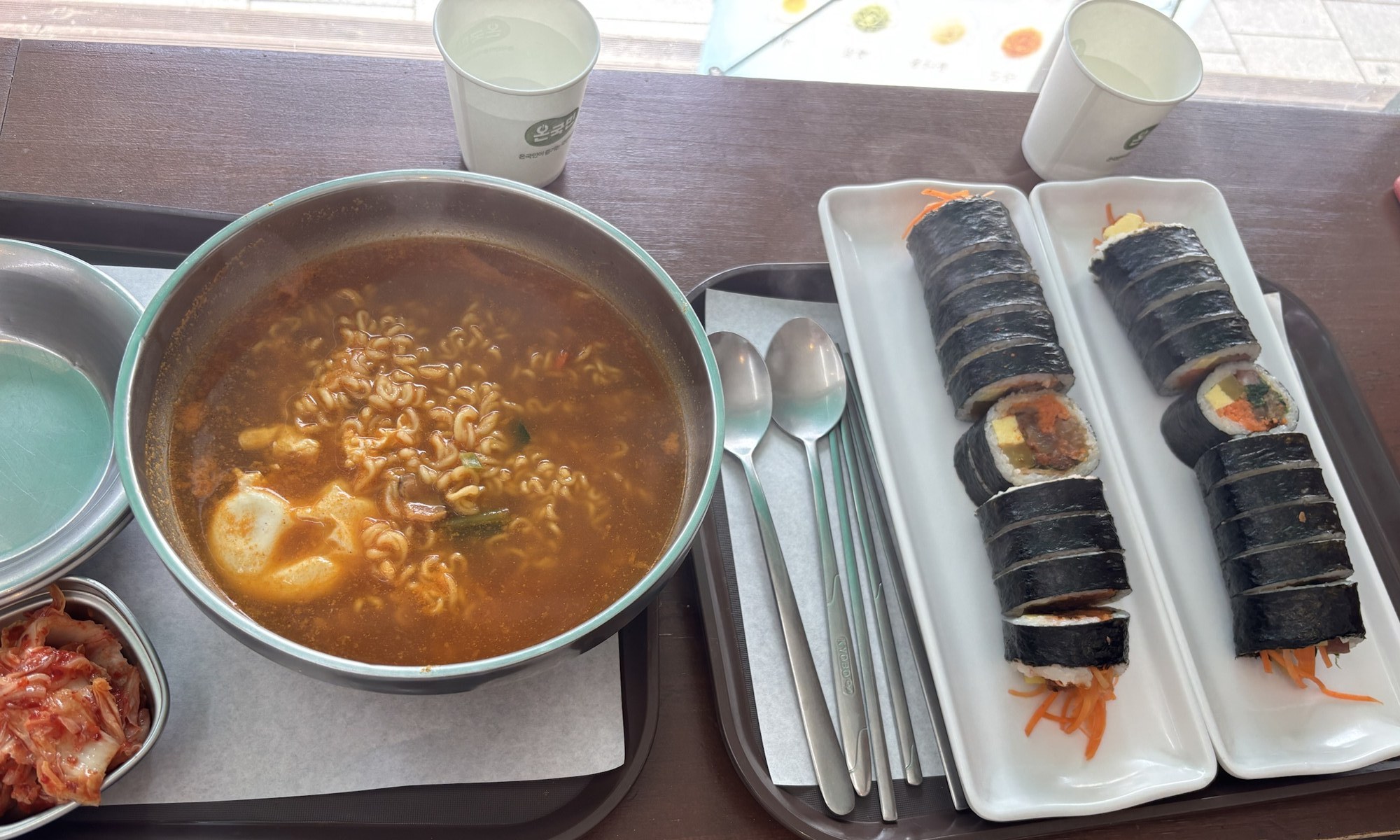
If kimchi jjigae is the loud one, doenjang jjigae is the quiet one Koreans eat almost every week: a savory, earthy stew of fermented soybean paste, tofu and vegetables. Doenjang has deep roots. An old Korean history text, the Samguk Sagi, lists it among the foods prepared for a Silla royal wedding in 683. Traditional doenjang is made from just soybeans and salt and aged for months, which gives it a funkier, bolder taste than Japanese miso.

At a glance: Serves 2–3 · Prep 15 min · Cook 20 min · About 200–300 kcal per serving · Spice: mild
Ingredients
- 2½ tbsp doenjang (taste and add up to 1 tbsp more)
- 1 tsp gochujang or gochugaru (optional, for a little heat)
- 550 ml (2¼ cups) anchovy-kelp stock or rice-rinsing water
- 80 g (3 oz) thinly sliced pork shoulder or beef, or 4 shrimp, or skip
- 250 g (9 oz) medium-firm tofu, cubed
- ½ zucchini (about 120 g), cubed
- 1 small potato (about 100 g) or 60 g Korean radish, cubed
- ¼ onion, chopped
- A handful of mushrooms (oyster, shiitake or enoki)
- 1 green chili (optional), 1 scallion
- 1 tsp minced garlic
How to make doenjang jjigae
- Make the stock (optional but worth it): simmer 6–7 cleaned dried anchovies and a 10 cm piece of kelp in 700 ml water for 10–15 minutes, then strain. Or use the water from rinsing rice.
- Sauté the meat in a small pot or earthenware ttukbaegi with 1 tsp oil over medium heat for 2 minutes.
- Dissolve the doenjang. Add the stock and press the doenjang through a small sieve into the pot so there are no lumps.
- Add the potato or radish and boil gently for 5–6 minutes.
- Add the onion, zucchini, mushrooms and garlic and cook 4–5 minutes.
- Add the tofu and chili and simmer 3 minutes.
- Taste and serve. Too thin? Add a little more doenjang. Too salty? Add water. Top with scallion and serve bubbling.
Common mistakes
- Boiling the paste hard for too long: the aroma fades and it can turn bitter. Simmer gently.
- Lumpy paste: use a sieve or whisk it into a ladle of stock first.
- Too much paste at once: brands vary a lot in saltiness. Add gradually.
- Plain water: the stew tastes flat. Anchovy stock or rice water makes a big difference.
Vegan doenjang jjigae

Skip the meat and anchovies. Make the stock with kelp and 3–4 dried shiitake (simmer 15 minutes), and add extra mushrooms. Check that your doenjang has no added fish ingredients. Looking for vegan Korean food in Seoul? See our vegan restaurant guide.
Tank’s tip: Doenjang jjigae is the classic partner for grilled meat. Make it alongside our jeyuk bokkeum or bulgogi for a full Korean dinner.
Can’t find an ingredient? Substitutes
| Ingredient | Best substitute | Note |
|---|---|---|
| Gochugaru (chili flakes) | Aleppo pepper, or 2 parts paprika + 1 part cayenne | Avoid seedy crushed red pepper |
| Doenjang (soybean paste) | Red or brown miso + a splash of soy sauce | Miso is milder and sweeter; use a bit more, skip sugar |
| Asian pear | Bosc pear or a sweet apple (Fuji) | Kiwi works too, but marinate 30 min max |
| Korean radish (mu) | Daikon, or potato | |
| Anchovy-kelp stock | Dashi, light chicken stock, or kelp + shiitake broth | |
| Mirin | Dry white wine + a pinch of sugar |
At an Asian grocery, look for: doenjang with a short ingredient list (soybeans, salt) such as Sempio’s 100-day aged paste or Chungjungone Sunchang; pre-seasoned stew pastes like CJ Haechandle are easier for beginners. Sempio Jin soy sauce and Ottogi sesame oil are reliable staples.
Storage
2–3 days in the fridge. Freezing isn’t recommended because the tofu goes spongy.
FAQ
Can I use miso instead of doenjang?
Yes, red or brown miso with a splash of soy sauce gets you close. The stew will be milder and slightly sweeter.
Is doenjang jjigae healthy?
It’s mostly vegetables and tofu in broth, so it’s relatively light, though doenjang is high in sodium.