Korean supermarkets are some of the best souvenir shops in the country. A jar of gochujang that costs a fortune back home is cheap in Seoul, and you can find regional versions you will never see abroad. Here is my shopping list of Korean pantry staples worth bringing home, which brands Koreans actually buy, where to shop, and how to pack it all without a sauce explosion in your suitcase.
Top 5 to bring home: a tub of gochujang, a bag of gochugaru (chili flakes), roasted sesame oil, packs of seasoned gim (seaweed), and your favorite ramyeon. Pack liquids and pastes in checked baggage, and check your home country’s customs rules first.
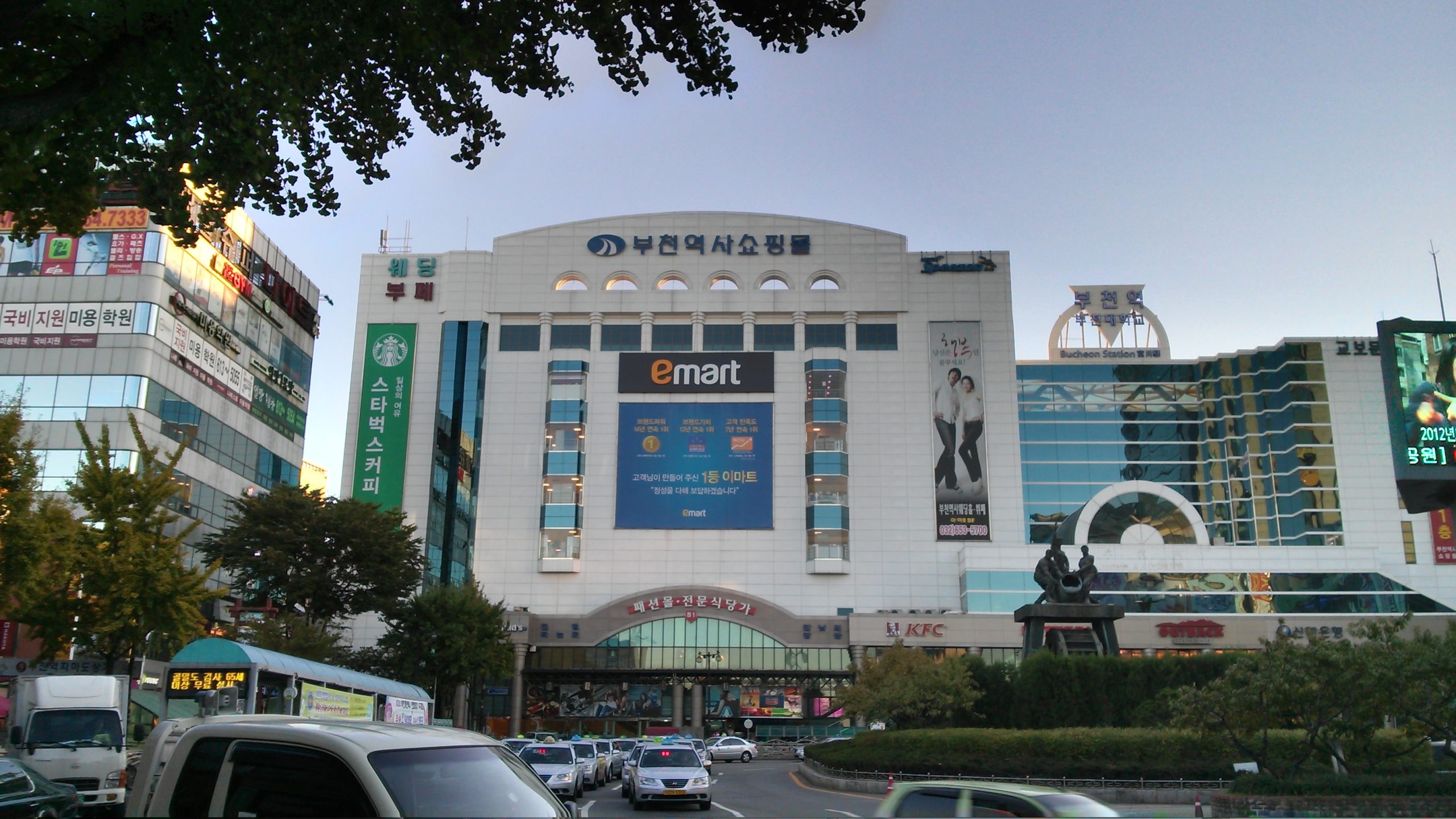
Where to shop in Seoul
| Store | Why go | Tip |
|---|---|---|
| Lotte Mart (롯데마트), Seoul Station | Huge, right by the airport train, very used to tourists | Busy on weekends. Packing tape and boxes near the checkout |
| Emart (이마트) | Korea’s biggest hypermarket chain, wide own-brand range | Emart’s “No Brand” line is cheap and good |
| Homeplus (홈플러스) | Big marts in many neighborhoods | Good for bulk ramyeon packs |
| Olive Young, Daiso | Small snacks and travel-size items; Daiso for containers and zip bags | Daiso is perfect for leak-proof packing supplies |
| Traditional markets | Fresh gochugaru, sesame oil pressed in front of you, dried anchovies | Bring cash; see our Gwangjang Market guide |
Tax refund: many larger stores offer tourist tax refunds on purchases over ₩15,000 per store. Bring your passport and ask at the counter or customer service desk.
The shopping list
1. Gochujang (고추장)

The single most useful Korean ingredient. Look for CJ Haechandle (해찬들), Chungjungone Sunchang (청정원 순창) or Sempio (샘표). Tubs come in sizes from 200 g to 1 kg+; a 500 g tub is a good souvenir size. Check the heat level on the label, from mild (순한맛) to very hot (매우매운맛).
2. Gochugaru (고춧가루)
Korean chili flakes, essential for kimchi and stews and hard to find with good quality abroad. Buy the coarse type (김치용, “for kimchi”) for kimchi and the fine type (고운) for sauces. Sealed bags travel well. Store in the freezer at home.
3. Doenjang and ssamjang (된장, 쌈장)
If you loved Korean BBQ, a tub of ssamjang lets you recreate it at home. Doenjang is for stews. Not sure what the difference is? Read Korean sauces explained.
4. Sesame oil and perilla oil (참기름, 들기름)
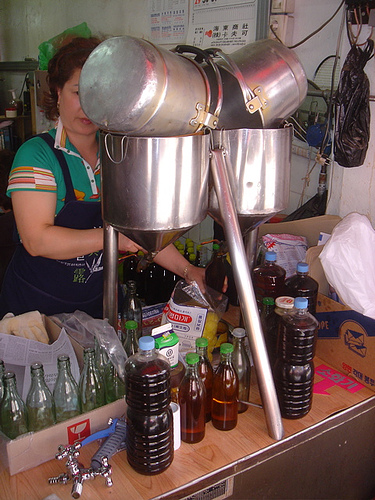
Korean roasted sesame oil is darker and more fragrant than many supermarket versions abroad. Perilla oil is a uniquely Korean flavor; try it on noodles. Both are often sold in glass bottles, so wrap them well.
5. Gim (김): roasted seaweed
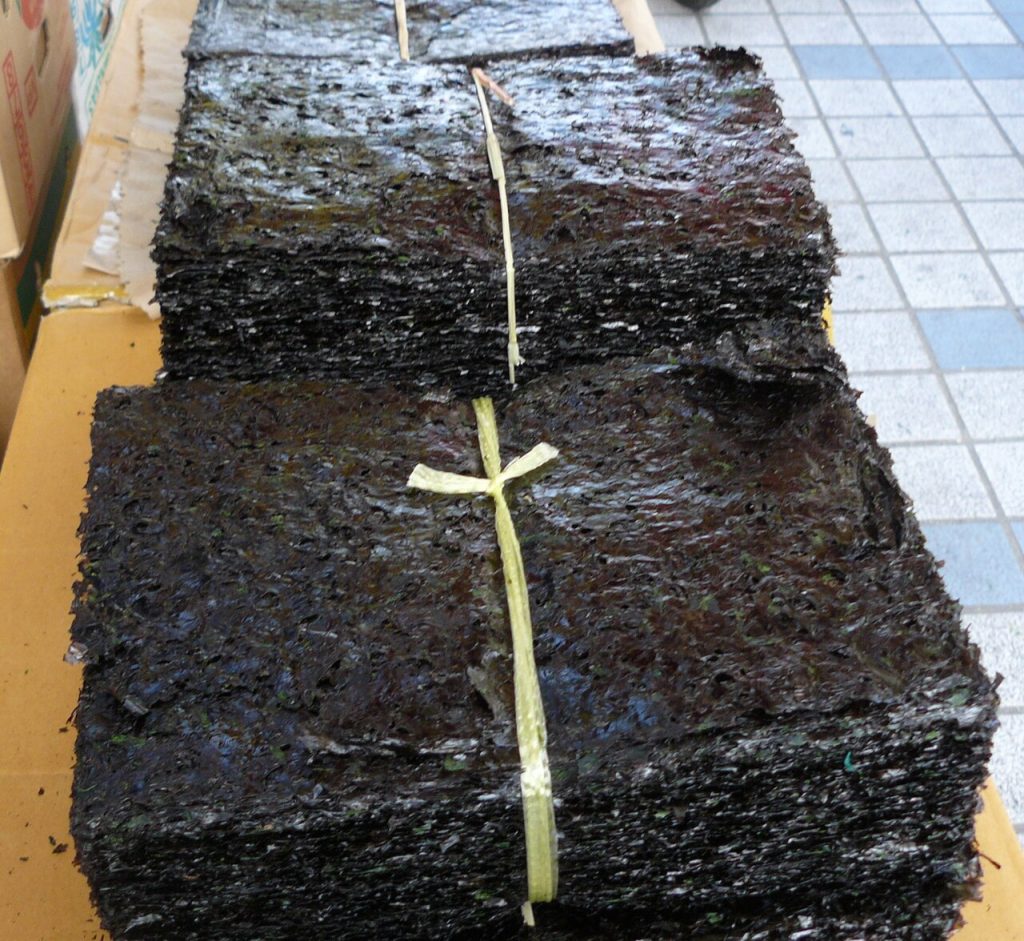
Light, cheap, and loved by everyone. Small seasoned snack packs are perfect gifts; bigger sheets are for making gimbap at home.
6. Ramyeon and instant sauces
Multi-packs of ramyeon are much cheaper in Korea, and some flavors are Korea-only. See Korea-only Buldak flavors and our spiciest ramyeon ranking. Supermarkets also sell ready-made sauce packets for bulgogi, galbi, tteokbokki and japchae.
7. Broth makers: anchovies and dashida
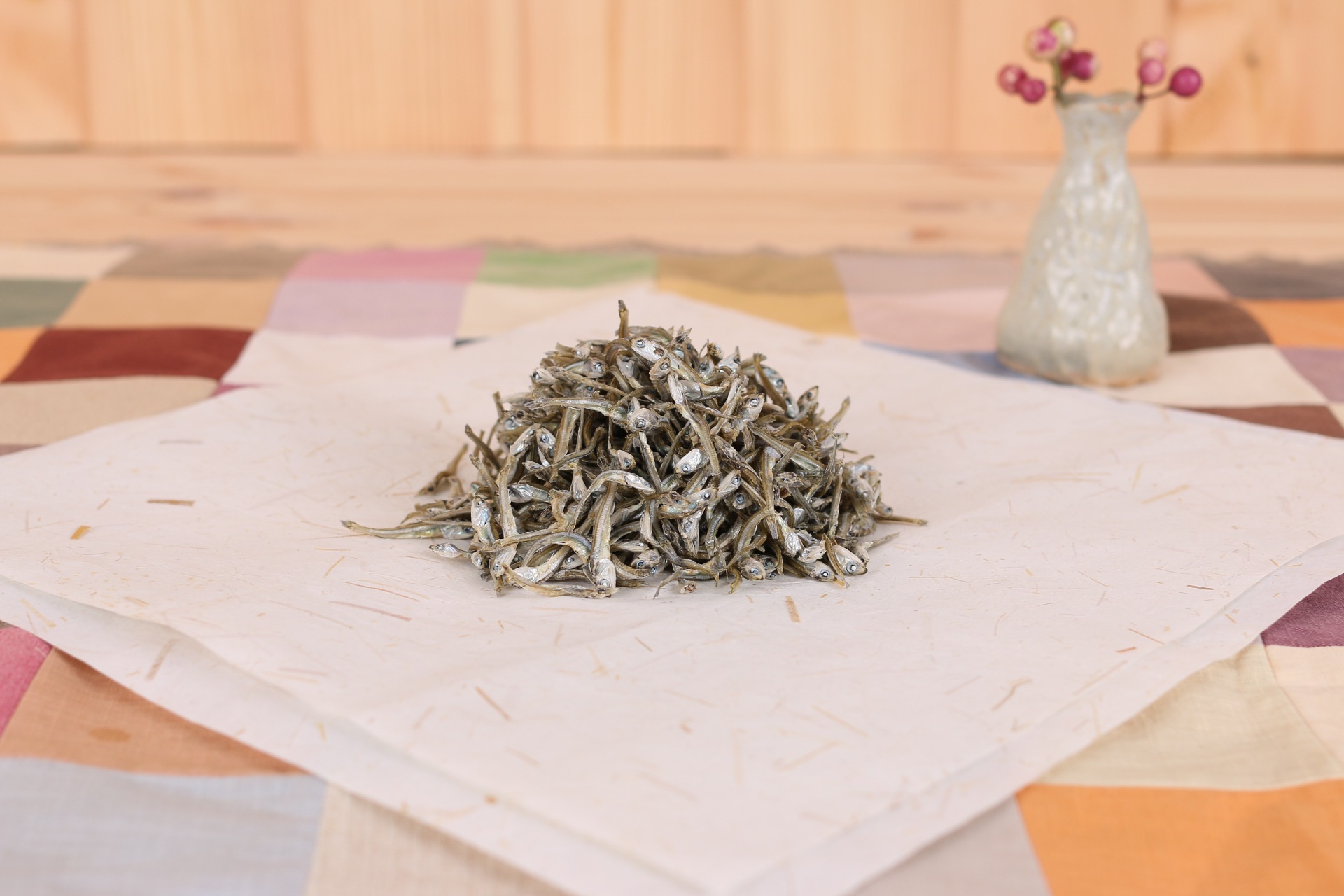
Korean home cooks build soups on dried anchovy and kelp broth. Look for ready-to-use broth tea bags (육수 팩) or Dashida (다시다) beef or anchovy seasoning, an instant shortcut for stews.
8. Snacks for the office and friends
Honey Butter Chips, Pepero, Choco Pie, Turtle Chips and more. See our list of best-selling Korean snacks.
How to pack Korean food for your flight
- Pastes and oils go in checked baggage. Gochujang, doenjang and sesame oil count as liquids/gels for security, so anything over 100 ml can’t go in your carry-on.
- Double-bag everything. Put tubs and bottles in zip bags, tape the lids, and wrap glass in clothes.
- Pick plastic tubs over glass when you have a choice.
- Check your home country’s customs rules. Many countries restrict meat products, and some ramyeon or seasonings contain meat extracts. Declare food when asked.
- Buy last. Shop on your final day; Lotte Mart at Seoul Station is right next to the airport railroad.
FAQ
Can I bring gochujang on a plane?
Yes, in checked baggage. In carry-on, only containers of 100 ml or less are allowed, because security treats pastes as liquids.
Which gochujang brand is best?
Koreans mostly buy CJ Haechandle, Chungjungone Sunchang and Sempio. They are all good. Pick your preferred heat level, and try a “taeyangcho” (sun-dried chili) premium version if you want a richer flavor.
Is it cheaper to buy Korean ingredients in Korea?
Usually yes, often much cheaper than Korean grocery stores abroad, especially for gochugaru, sesame oil, gim and ramyeon multi-packs.