Yeonhui-dong (연희동) is the quiet, leafy neighborhood just north of Yonsei University and a short ride from Hongdae. Seoulites think of it as a place where chefs live and open small restaurants, and it has been known for decades for its old-school Chinese-Korean restaurants, thanks to the Chinese school community nearby. In 2026 it got a new reason to visit: the Park Seo-Bo Museum, which opened on August 21. I spent a day there and ate my way around it. Here is the half-day route I’d send a friend on.
Quick answer: Start at the Park Seo-Bo Museum (₩5,000, opens 11:00, closed Mondays). Cross the street to Kaden, chef Jung Ho-young’s udon shop and izakaya (udon from ₩9,000, closed Sundays and Mondays). Finish with Korean tea and traditional snacks at Dadore, a tiny tea room (12:00–19:00). Go Tuesday to Saturday so everything is open.
Yeonhui-dong half-day plan
| Time | Stop | What it costs |
|---|---|---|
| 11:00–12:30 | Park Seo-Bo Museum (3 gallery floors) | ₩5,000 admission |
| 12:30–14:30 | Kaden: udon downstairs or izakaya upstairs | ₩9,000–15,000 udon; ₩20,000–35,000 per izakaya dish |
| 15:00–16:30 | Dadore: Korean tea and dagwa (tea snacks) | about ₩12,000 for tea and snacks; ₩35,000 weekend course |
Plan around the break times. Kaden’s udon shop stops serving from 15:00 to 17:30 and the izakaya from 15:00 to 17:00, so either eat lunch before 15:00 or flip the plan: museum in the afternoon, tea, then dinner at Kaden’s izakaya.
Kaden (카덴): chef Jung Ho-young’s udon and izakaya
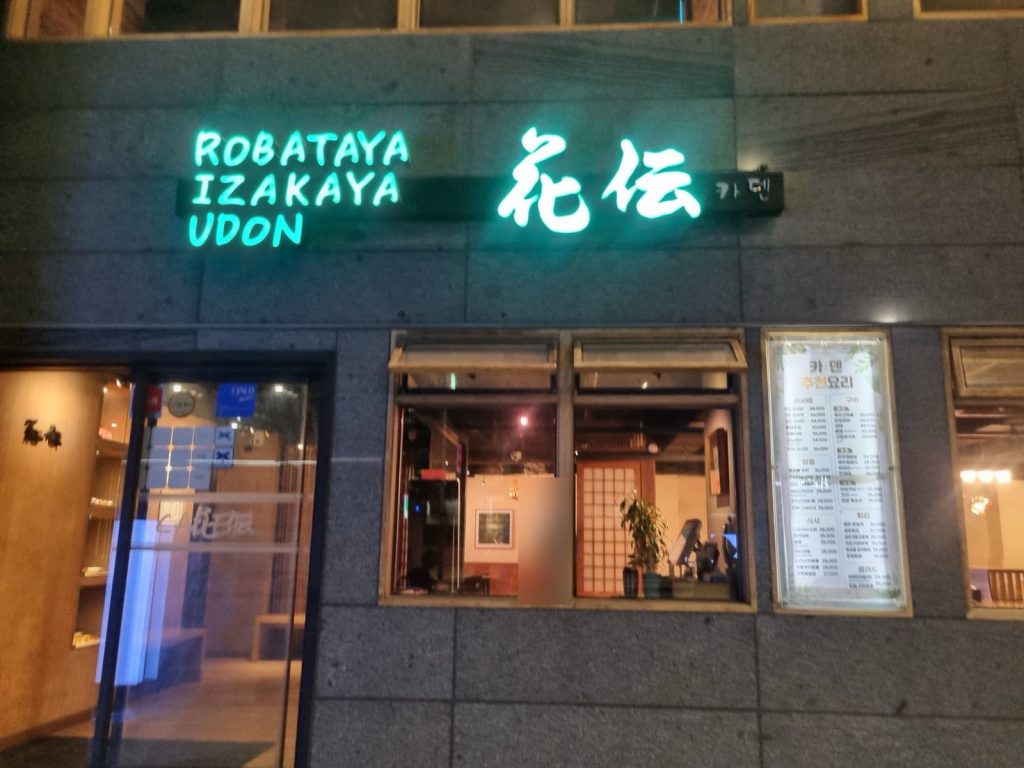
Jung Ho-young is one of Korea’s best-known Japanese-food chefs. Korean TV audiences know him from Please Take Care of My Refrigerator (냉장고를 부탁해), a cooking show where chefs make dishes from a celebrity’s fridge, and from season 2 of Netflix’s Culinary Class Wars. Kaden is his home base: udon on the first floor, an izakaya (Japanese pub) on the second. The sign outside says it plainly: “Robataya, Izakaya, Udon”.
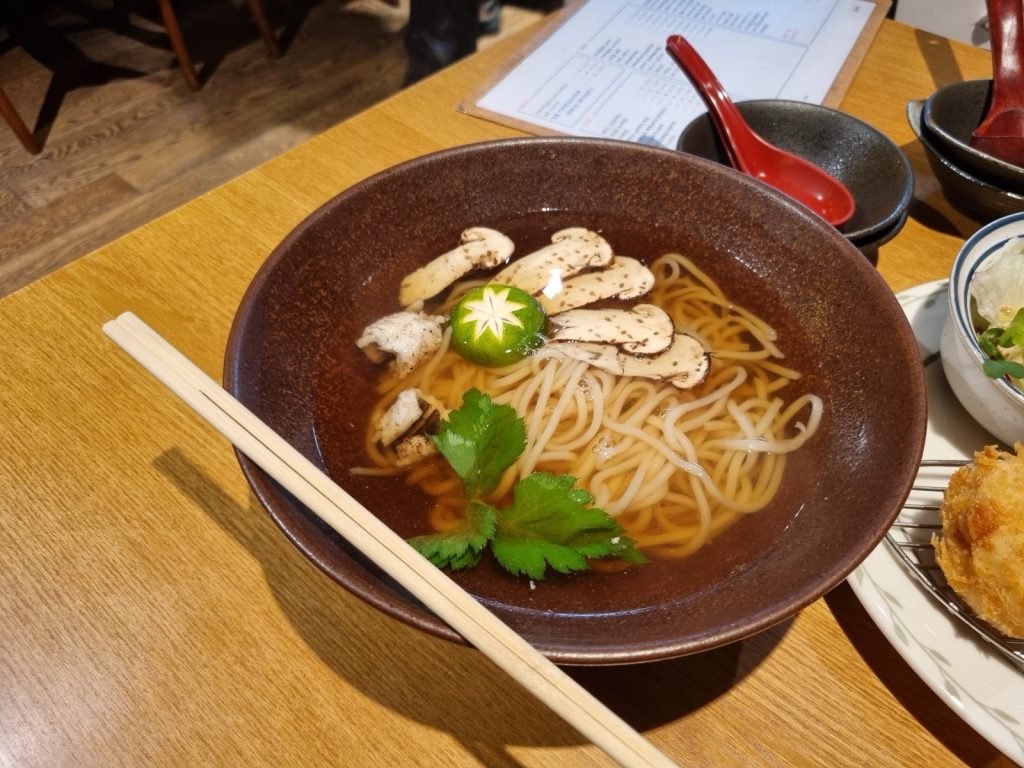
Tank’s take: it was really delicious, and you can actually see the chef at work. Prices are on the higher side, but it’s worth it. Order a few plates to share upstairs: the gyukatsu (beef cutlet, pink inside), the shrimp cream croquettes and the clams with water spinach were all hits at our table, and the matsutake udon is an autumn special worth catching.
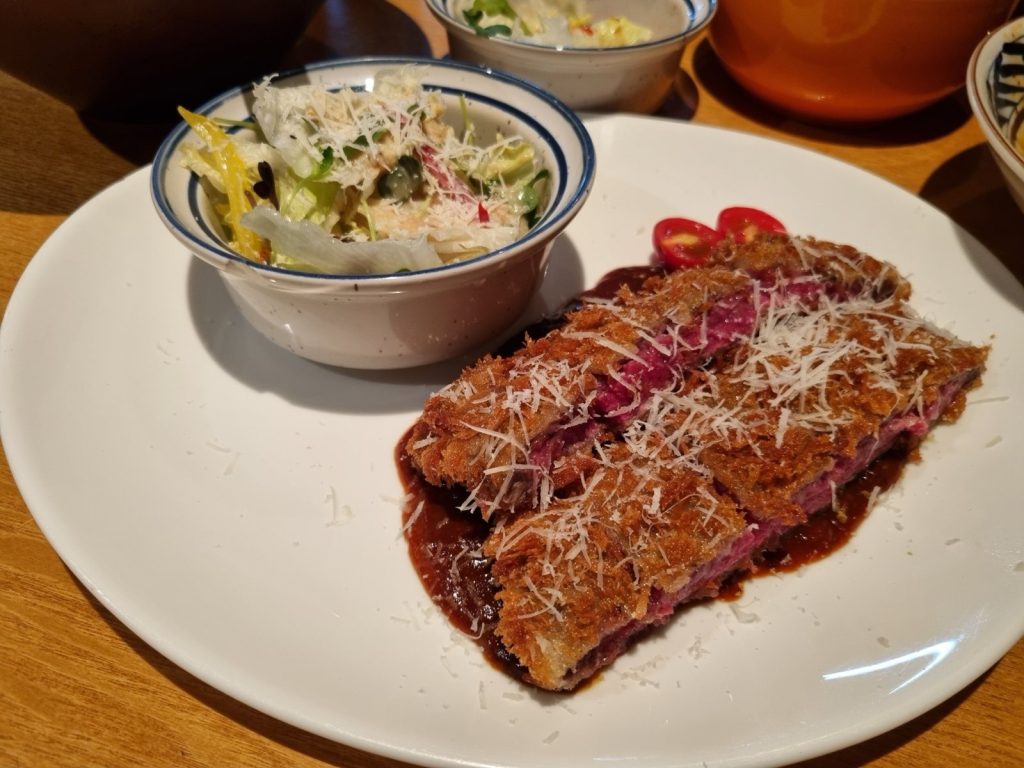
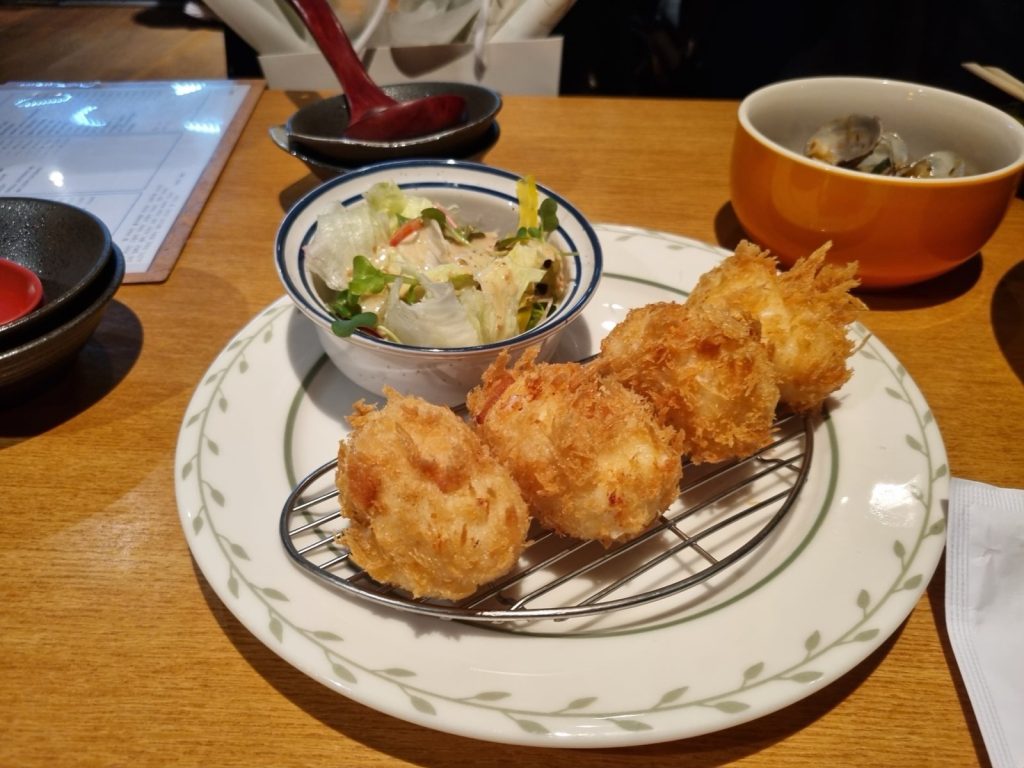

What to order and what it costs (2026)
| Dish | Floor | Price |
|---|---|---|
| Kake udon (plain hot udon) / 우동 | 1F udon | ₩9,000 |
| Tempura udon, bukkake udon, mentaiko (cod roe) udon | 1F udon | ₩14,000 |
| Hanu beef tendon udon / 한우스지우동 | 1F udon | ₩15,000 |
| Ten-don (tempura rice bowl) / 텐동 | 1F udon | ₩22,000 |
| Shrimp cream croquettes / 새우크림 고로케 | 2F izakaya | ₩20,000 |
| Kaden lunch set / 카덴 정식 | 2F izakaya | ₩32,000 |
| Sashimi platter (medium) / 모듬사시미 | 2F izakaya | ₩65,000 |
| Gyukatsu, matsutake udon, clams with water spinach | Seasonal | see the board on the day |
Prices from Kaden’s menus on Diningcode, checked October 2026. Seasonal dishes change, so check the board by the door.
- Address: 173 Yeonhui-ro, Seodaemun-gu (서대문구 연희로 173), right across from the Park Seo-Bo Museum
- Hours: 11:30–22:00; break 15:00–17:30 (udon) and 15:00–17:00 (izakaya); Saturday until 21:00
- Closed: Sundays and Mondays
- Booking: book the izakaya ahead on Naver Map, especially for dinner (see how to book on Naver Map as a foreigner); the udon floor is walk-in
Park Seo-Bo Museum (박서보미술관): the reason to come now
Park Seo-Bo (1931–2023) is the best-known painter of Dansaekhwa, the Korean monochrome painting movement, and his “Écriture” paintings now sell for hundreds of millions of won, some for billions. After he died in 2023, his foundation built this museum right next to the Yeonhui-dong studio where he worked for decades. It opened on August 21, 2026.
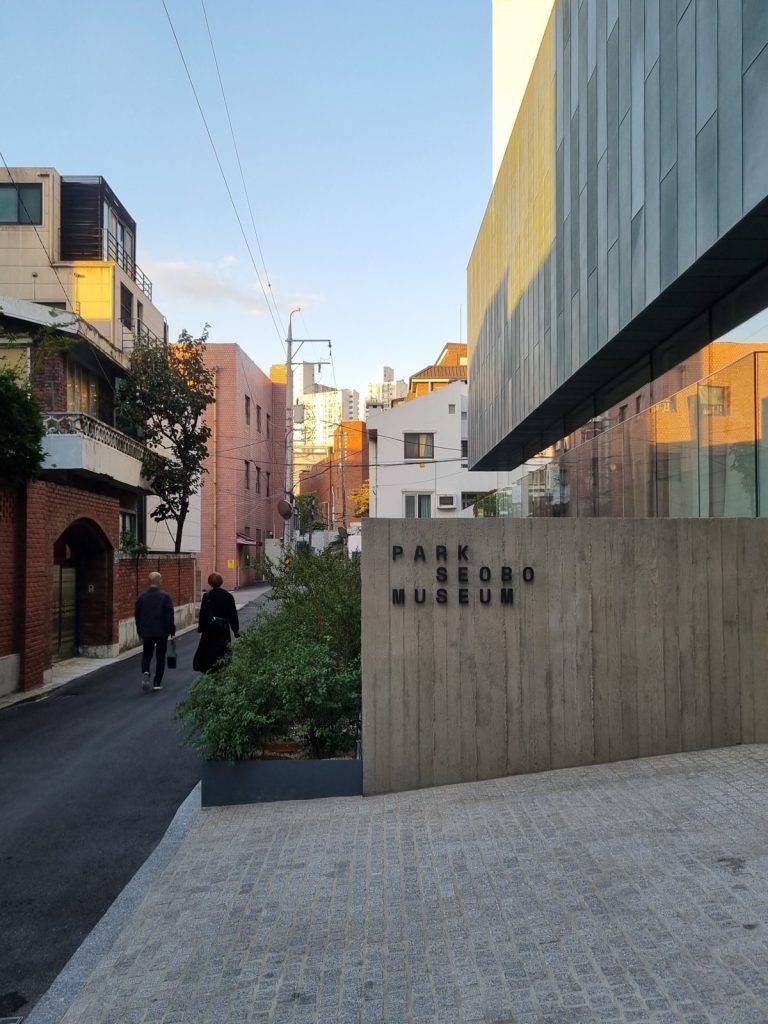
Tank’s take: I went to the opening exhibition. Everything, from the works to the building, is put together at a very high level. The first floor is the lobby and rest area. The galleries are on B2, 2F and 3F. It’s smaller than most big museums, but every room is packed, and you’ll see Park Seo-Bo pieces you won’t find anywhere else. You can’t buy the art, but you can buy museum goods. There’s no café inside; use the foundation’s café in the building right next door. The basement parking (B1) is tiny and paid, so in practice, don’t drive.
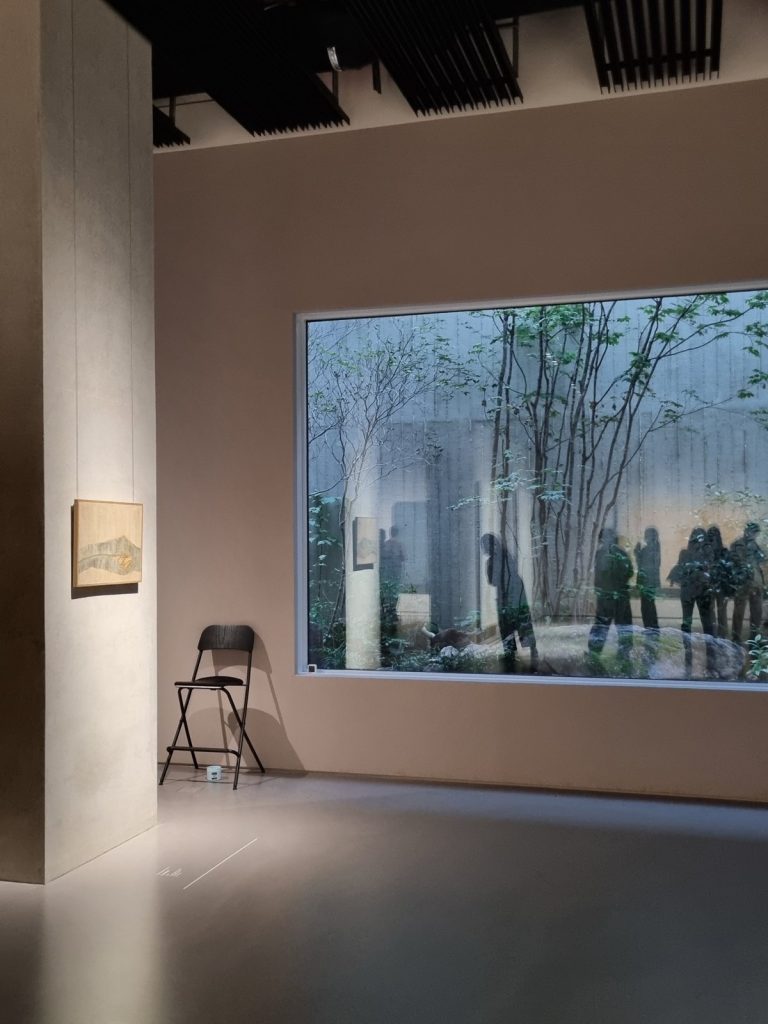
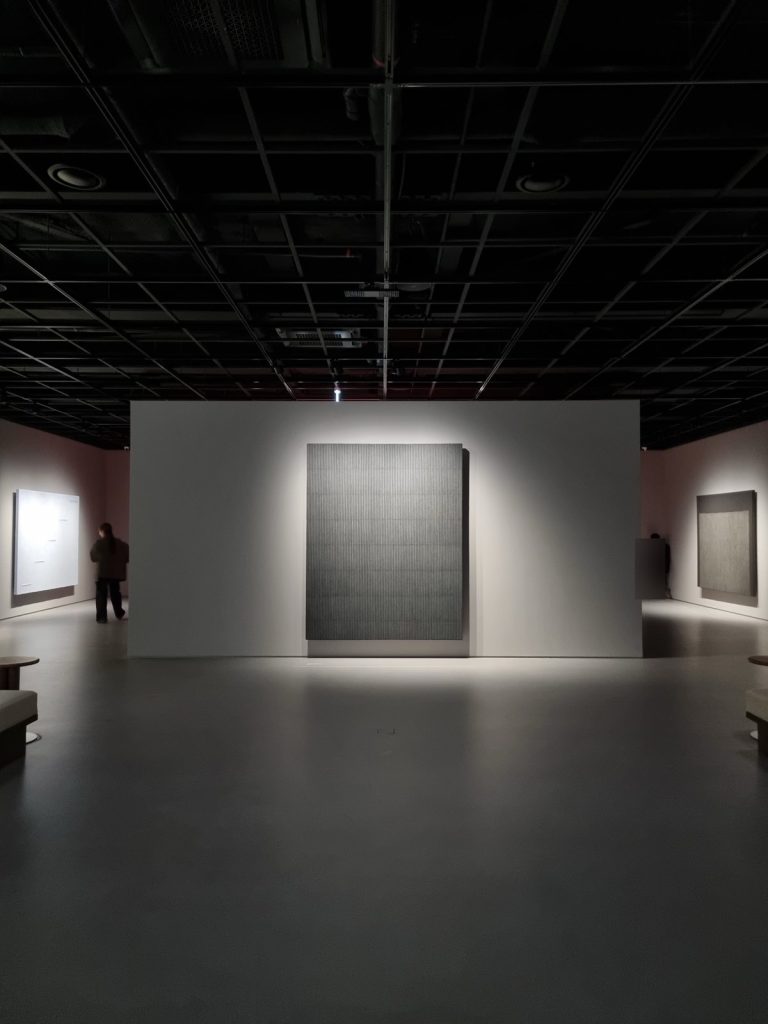
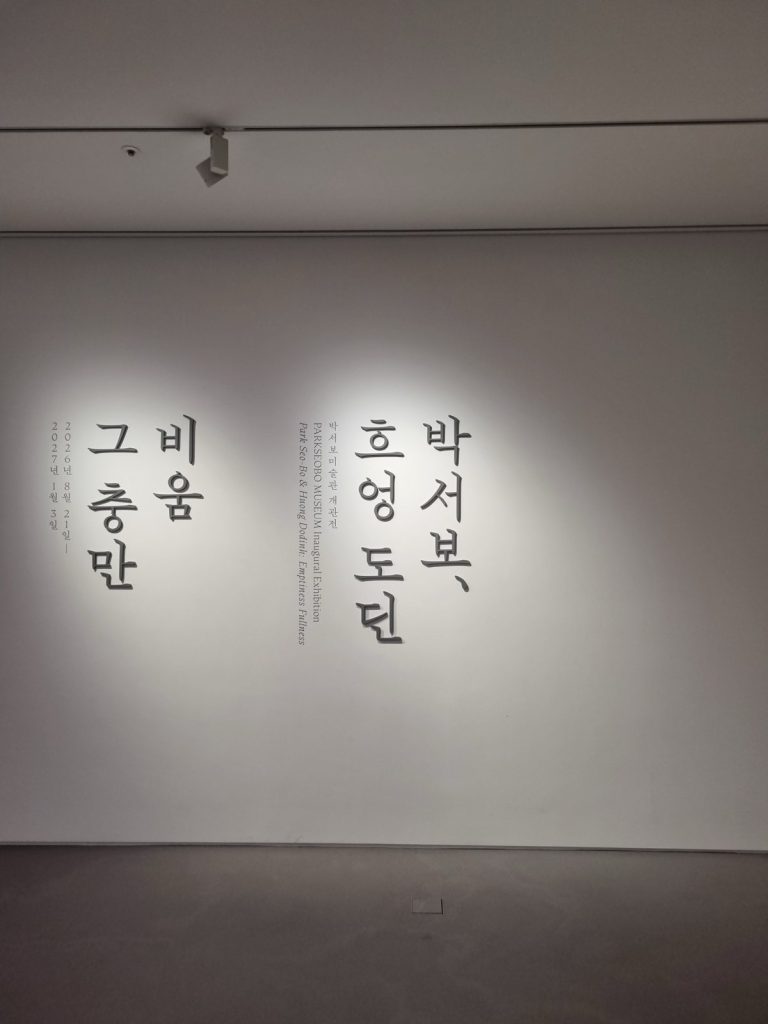
- Opening exhibition: Park Seo-Bo & Huong Dodinh: Emptiness, Fullness, until January 3, 2027 (42 works by the two painters)
- Admission: ₩5,000, tickets at the door, no booking needed (last tickets 17:30)
- Hours: Tuesday–Sunday 11:00–18:00, closed Mondays
- Free docent tours: Tue–Fri 14:00 and 16:00; Sat–Sun 12:00, 14:00 and 16:00
- Address: 9-54 Yeonhui-ro 24-gil, Seodaemun-gu (서대문구 연희로24길 9-54)
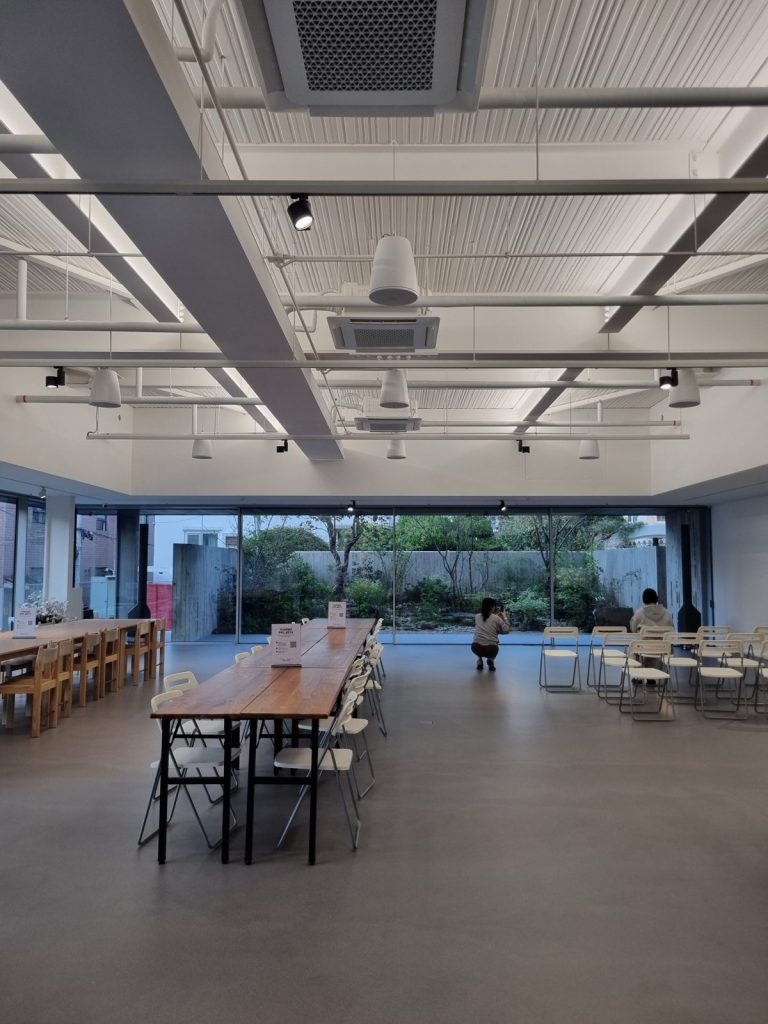
Dadore (다도레): Korean tea and tea snacks to finish
Most visitors to Korea drink coffee, because Korea runs on it. But Korea has its own tea culture, and green tea from Boseong and Hadong, mugwort tea and roasted grain teas are all worth trying. Dadore is a small, all-white tea room in Yeonhui-dong where the staff brew Korean teas for you at the table and explain each one, served with dagwa (다과), the small traditional snacks that go with tea.

Tank’s take: if you want to taste Korean tea, this is the place I’d recommend. The tea was really good and the room is calm and beautiful. It’s also one of the best date spots in the neighborhood.

- Menu: tea of the day with snacks, from about ₩12,000; weekend-only course of 3 Korean teas with dagwa, ₩35,000; tea class, ₩50,000
- Hours: 12:00–19:00; closed on some weekdays, so check Naver Map before you go
- Address: 3F, 13-9 Jeungga-ro, Seodaemun-gu (서대문구 증가로 13-9, 3층); there’s no big sign, so follow the map
- Booking: Naver booking or CatchTable; the room is small, so book the weekend course ahead


Disclosure: I know the owner, and my visit was complimentary. I only recommend places I’d send my own friends to.
Getting to Yeonhui-dong
There’s no subway station in Yeonhui-dong itself. From Hongik University Station (Line 2 and the Airport Railroad), it’s about a 20-minute walk north, or a short bus or taxi ride. From Sinchon Station, a taxi takes about 10 minutes. The streets are residential and hilly, so wear comfortable shoes.
Order like a local
2층 이자카야 자리 있어요?
I-cheung ijakaya jari isseoyo?
“Is there a table at the upstairs izakaya?”
오늘 제철 메뉴 뭐예요?
Oneul jecheol menyu mwoyeyo?
“What’s in season today?”
성인 한 장 주세요.
Seong-in han jang juseyo.
“One adult ticket, please.”
어떤 차 추천해 주세요?
Eotteon cha chucheonhae juseyo?
“Which tea do you recommend?”
FAQ
What is the best day to visit Yeonhui-dong?
Tuesday to Saturday. The Park Seo-Bo Museum is closed on Mondays and Kaden is closed on Sundays and Mondays.
Do I need to book the Park Seo-Bo Museum?
No. Buy a ₩5,000 ticket at the door. Ticket sales end at 17:30.
Is there a café at the Park Seo-Bo Museum?
Not inside the museum. Use the foundation’s café in the building next door, or walk to Dadore for Korean tea.
Is Kaden expensive?
The udon floor is affordable, with bowls from ₩9,000 to ₩15,000. The izakaya upstairs is pricier: plan on roughly ₩40,000–60,000 per person with a drink.
Keep exploring
- Culinary Class Wars restaurants in Seoul
- Anguk Station food guide
- How to book restaurants in Korea as a foreigner
- How much food costs in Seoul in 2026
Sources
- Park Seo-Bo Museum official site (hours, admission, docent tours)
- Design (디자인) magazine on the museum’s building and opening
- Diningcode menus and hours for Kaden and Dadore, checked October 2026