Busan is Korea’s second city and its biggest port, and it eats differently from Seoul. Breakfast is a bowl of pork soup, lunch is cold wheat noodles even in October, and the old downtown is one long market of fish cake, glass noodles and seed-stuffed pancakes. This guide covers the 9 dishes worth the trip, where locals send you for each one, and what they cost in 2026.
Quick answer: If you only have one day, start with dwaeji gukbap (pork and rice soup) near Busan Station, walk Jagalchi and Gukje markets in Nampo-dong for eomuk and bibim dangmyeon, grab a ssiat hotteok at BIFF Square, have milmyeon for lunch, and finish at Haeundae or Gwangalli with nakgopsae or grilled pork. Budget roughly ₩40,000–60,000 per person for the day, plus extra for a raw fish platter.
9 Busan dishes to try (with 2026 prices)
Prices below come from restaurant menus and market listings checked in 2026. They move a little every year, so treat them as a guide rather than a quote.
| Dish | What it is | Typical price |
|---|---|---|
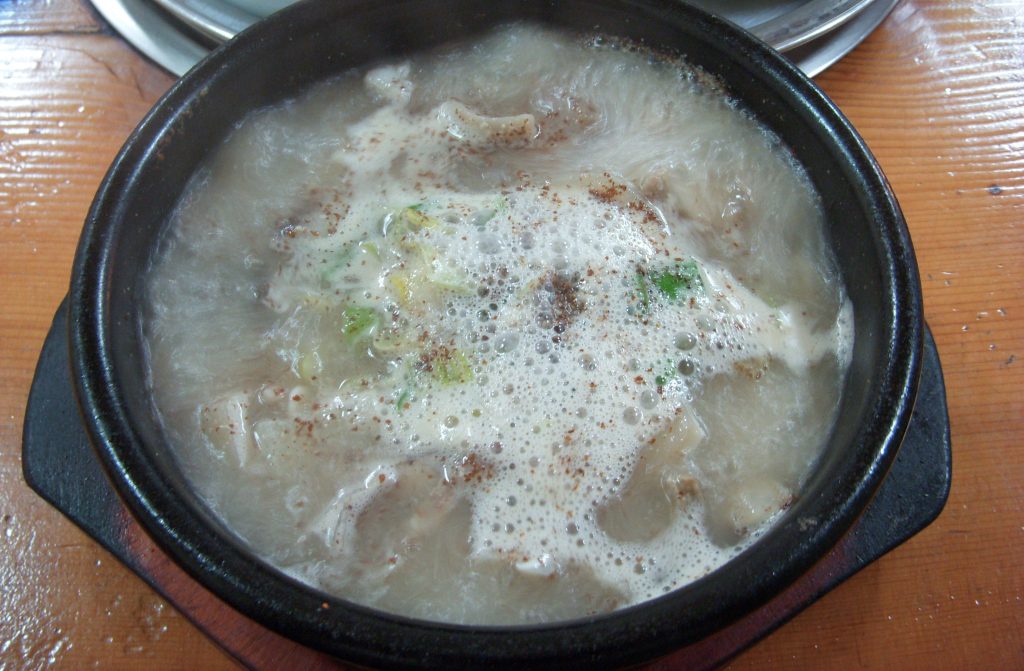
| Dwaeji gukbap 돼지국밥 | Milky pork bone broth with sliced pork, served with rice. Busan’s signature breakfast and hangover cure. | ₩9,500–11,000 |
| Milmyeon 밀면 | Cold wheat-flour noodles in icy broth or spicy sauce. Created in Busan by wartime refugees as a cheaper take on naengmyeon. | about ₩10,000 |
| Ssiat hotteok 씨앗호떡 | A fried sweet pancake split open and stuffed with sunflower and pumpkin seeds. | ₩2,000–3,000 |
| Eomuk 어묵 | Busan fish cake, eaten on skewers from a hot broth pot or fried. | ₩3,000–5,000 |
| Bibim dangmyeon 비빔당면 | Glass noodles tossed with chili sauce, fish cake and vegetables. A Gukje Market street snack. | ₩4,000–8,000 |
| Nakgopsae 낙곱새 | A spicy stew of small octopus (nakji), beef tripe (gopchang) and shrimp (saeu), eaten over rice. | about ₩12,000 per person |
| Bokguk 복국 | Clear, light pufferfish soup. A classic Busan morning-after breakfast. | ₩10,000–30,000 |
| Hoe at Jagalchi 회 | Raw fish you choose at the market and eat upstairs. | about ₩100,000 for a large mixed platter |
| Chungmu gimbap 충무김밥 | Plain mini rice rolls with spicy squid and radish kimchi on the side. | ₩5,000–7,000 |
Dwaeji gukbap: Busan’s pork and rice soup
Every Busan local has a favorite gukbap shop, and most of them are open early. The soup arrives lightly seasoned on purpose. Season it yourself with saeujeot (salted shrimp, for salt), buchu (seasoned chives) and dadaegi (chili paste). If you see ttaro gukbap (따로국밥) on the menu, it simply means the rice comes in a separate bowl instead of in the soup.
- Bonjeon Dwaeji Gukbap (본전돼지국밥), a short walk from Busan Station at 3-8 Jungang-daero 214beon-gil, Dong-gu. Dwaeji gukbap ₩11,000, suyuk baekban (sliced pork set) ₩14,000. The easiest first meal when you step off the KTX.
- Songjeong 3dae Gukbap (송정3대국밥) in the Seomyeon gukbap alley, 33 Seomyeon-ro 68beon-gil. Ttaro gukbap ₩9,500. Listed as open 24 hours, which makes it a late-night option after Seomyeon bars.

Milmyeon: cold noodles made in Busan
Milmyeon was born in Busan during the Korean War, when refugees from the north made their buckwheat naengmyeon with cheaper wheat flour. It is chewier and softer than Seoul-style naengmyeon. Order mul milmyeon (물밀면, in icy broth) or bibim milmyeon (비빔밀면, with spicy sauce). Most shops also sell steamed dumplings.
- Naeho Naengmyeon (내호냉면), 17 Uambeonyeong-ro 26beon-gil, Nam-gu. Often credited as the shop that first served milmyeon. About ₩10,000, open daily 10:30–20:00.
- Halmae Gaya Milmyeon (할매가야밀면), 56-14 Gwangbok-ro in Nampo-dong. Convenient if you are already exploring the markets.
- Gukje Milmyeon (국제밀면) in Geoje-dong, Yeonje-gu. About ₩10,000, open daily 10:00–20:00.
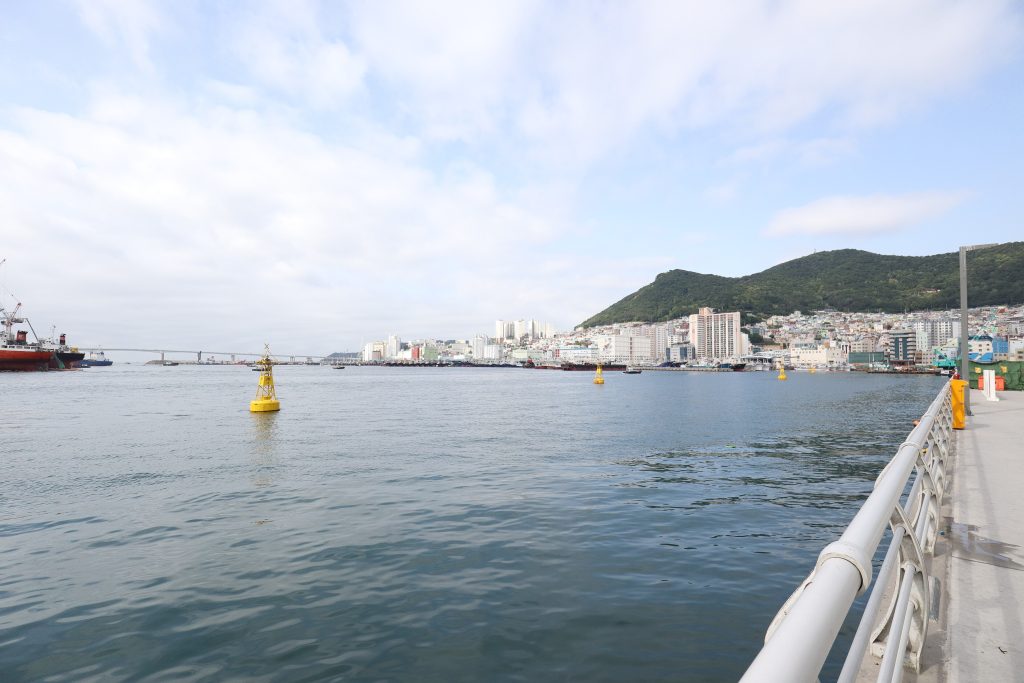
Nampo-dong: Jagalchi, Gukje Market and BIFF Square
Busan’s old downtown packs the best street food into a 15-minute walk. Go in the late morning and graze your way through.
- Jagalchi Fish Market: pick live seafood downstairs, then take it up to a restaurant to be sliced or cooked. At Sindong-A Market (42 Jagalchi-ro) a large mixed sashimi platter on the 3rd floor runs about ₩100,000. Upstairs restaurants usually add a per-person table and cooking charge, so ask before you sit down.
- Gukje Market: the place for bibim dangmyeon (₩4,000–8,000), fish cake and chungmu gimbap.
- BIFF Square: street stalls selling ssiat hotteok for ₩2,000–3,000. Expect a short queue on weekends.
- Bupyeong Kkangtong Market: a few minutes away, with a night market since 2013. Tteokbokki is around ₩4,000.

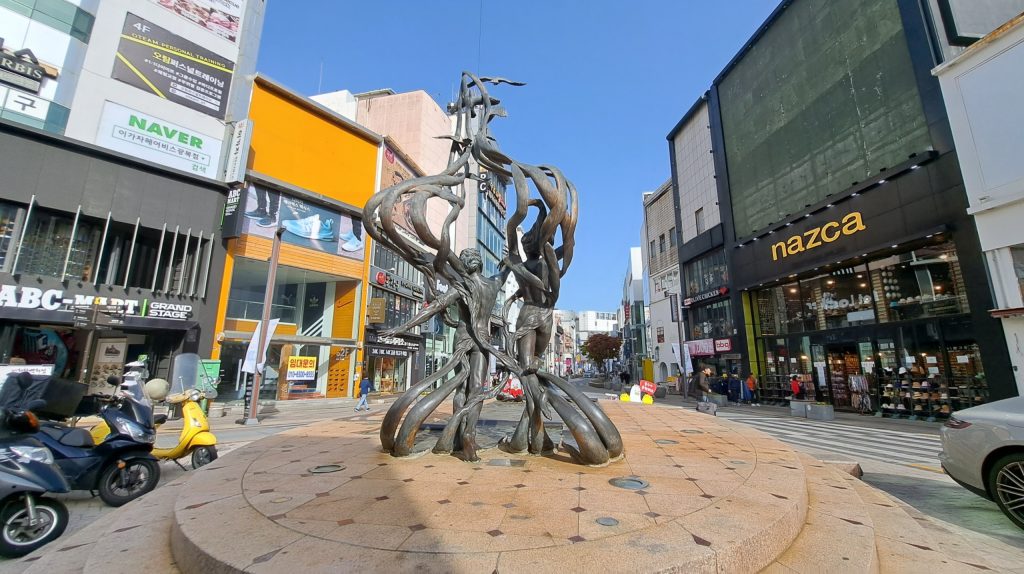
Haeundae and Gwangalli: dinner by the beach
- Gaemi-jip (개미집), 34 Gunam-ro, Haeundae. Nakgopsae for about ₩12,000 per person, listed as open 24 hours.
- Geumsu Bokguk (금수복국), Haeundae head store at 23 Jungdong 1-ro 43beon-gil. Pufferfish soup and fried pufferfish, ₩10,000–30,000, listed as open 24 hours.
- Sukseongdo Gwangan (숙성도 광안점), 289 Gwanganhaebyeon-ro, facing Gwangalli Beach. Aged pork belly and bone-in pork loin, under ₩30,000 per person. Open 11:30–15:00 and 16:00–22:00.
Popular grill restaurants often have a waitlist. Our Naver Map booking guide shows how to book with a passport and no Korean phone number, and the restaurant booking guide covers CatchTable and walk-in waitlists.
More Busan classics
Dongnae pajeon (동래파전)

A thick green onion pancake with seafood and beef, made with rice and glutinous rice flour, so it’s softer than normal pajeon. Tradition says it was once presented to the king. Dongnae Halmae Pajeon is run by the fourth generation of the same family. Pair with makgeolli. Naver Map · Google Maps
Gijang specialties
Head to Gijang on the east coast for straw-fire grilled hagfish (짚불곰장어), a smoky local specialty from Sirang-ri, and spring anchovies at Daebyeon Port, which holds an anchovy festival every April. (Note: gomjangeo is hagfish, not eel, even though menus often translate it as “eel”.)
Busan’s Michelin restaurants (2026)
Busan joined the Michelin Guide in the 2024 edition. The Michelin Guide Seoul & Busan 2026 (March 2026) gives Busan four one-star restaurants and 20 Bib Gourmands.
| Restaurant | Award | Cuisine | Area |
|---|---|---|---|
| Palate | 1 star | Contemporary | Haeundae |
| Fiotto | 1 star + Green Star | Italian | Haeundae |
| Mori | 1 star | Japanese | Busan |
| Le DORER | 1 star (new 2026) | Contemporary Korean | Suyeong-gu |
Bib Gourmand highlights (great value): Anmok and Hapcheon Gukbapjip (pork soup), Buda Myeonok and 100.1 Pyeongnaeng (cold noodles), Moemiljip (buckwheat noodles, new), Songheonjip (tteokgalbi, new), Pyongyangjip (dumplings, new), Hanwolgwan (gomtang), Bibijae (bibimbap). Check the latest list on the official Michelin Guide site. For booking fine dining, see our CatchTable guide.
Busan soju: C1 and Daesun
Busan’s local soju maker is Daesun Jujo, known for C1 and Daesun. Daesun once held about half of the Busan market, though HiteJinro overtook it in 2025. Ordering a local bottle still earns a nod from the ajumma. More in our Korean drinking culture guide.
How to get to Busan from Seoul
| Option | Time | One-way fare |
|---|---|---|
| KTX, Seoul Station → Busan Station | about 2 h 30 min to 2 h 40 min | ₩59,800 (standard seat) |
| SRT, Suseo Station (Gangnam side) → Busan Station | about 2 h 30 min | ₩52,600 (standard seat) |
| Flight, Gimpo → Gimhae | about 1 h in the air | varies by airline and date |
Book KTX on the Korail website or app in English, and SRT on the SRT app. Weekend and holiday trains sell out, so book a few days ahead. Busan Station is the KTX terminal and sits right next to the Choryang and Nampo food areas.
Tips before you eat in Busan
- Bring a little cash for market stalls. Restaurants take cards, but some street vendors prefer cash or bank transfer.
- Spice check: gukbap, milmyeon (mul) and bokguk are mild. Nakgopsae and bibim milmyeon are spicy. To ask for less heat, say an maepge haejuseyo (안 맵게 해주세요, “not spicy, please”).
- Allergies or diet rules? Many broths use seafood or beef stock. Make a free Korean allergy and diet card and show it before you order.
- Breakfast is easy here. Gukbap and bokguk shops open early, unlike most of Seoul.
- Snacks on the go: convenience stores near Busan Station have everything in our convenience store food guide.
FAQ
What is the most famous food in Busan?
Dwaeji gukbap (pork and rice soup) and milmyeon (cold wheat noodles) are the two dishes most Koreans associate with Busan, followed by eomuk fish cake and ssiat hotteok.
How much should I budget for food in Busan per day?
About ₩40,000–60,000 per person covers gukbap for breakfast, milmyeon for lunch, market snacks and a casual dinner. A Jagalchi raw fish platter or a beachfront seafood dinner adds ₩50,000–100,000 per group.
Is Busan food spicier than Seoul food?
Not overall. Busan’s signature dishes, gukbap and mul milmyeon, are mild. Nakgopsae is the spicy one. If you like heat, compare it with our Buldak spice level chart.