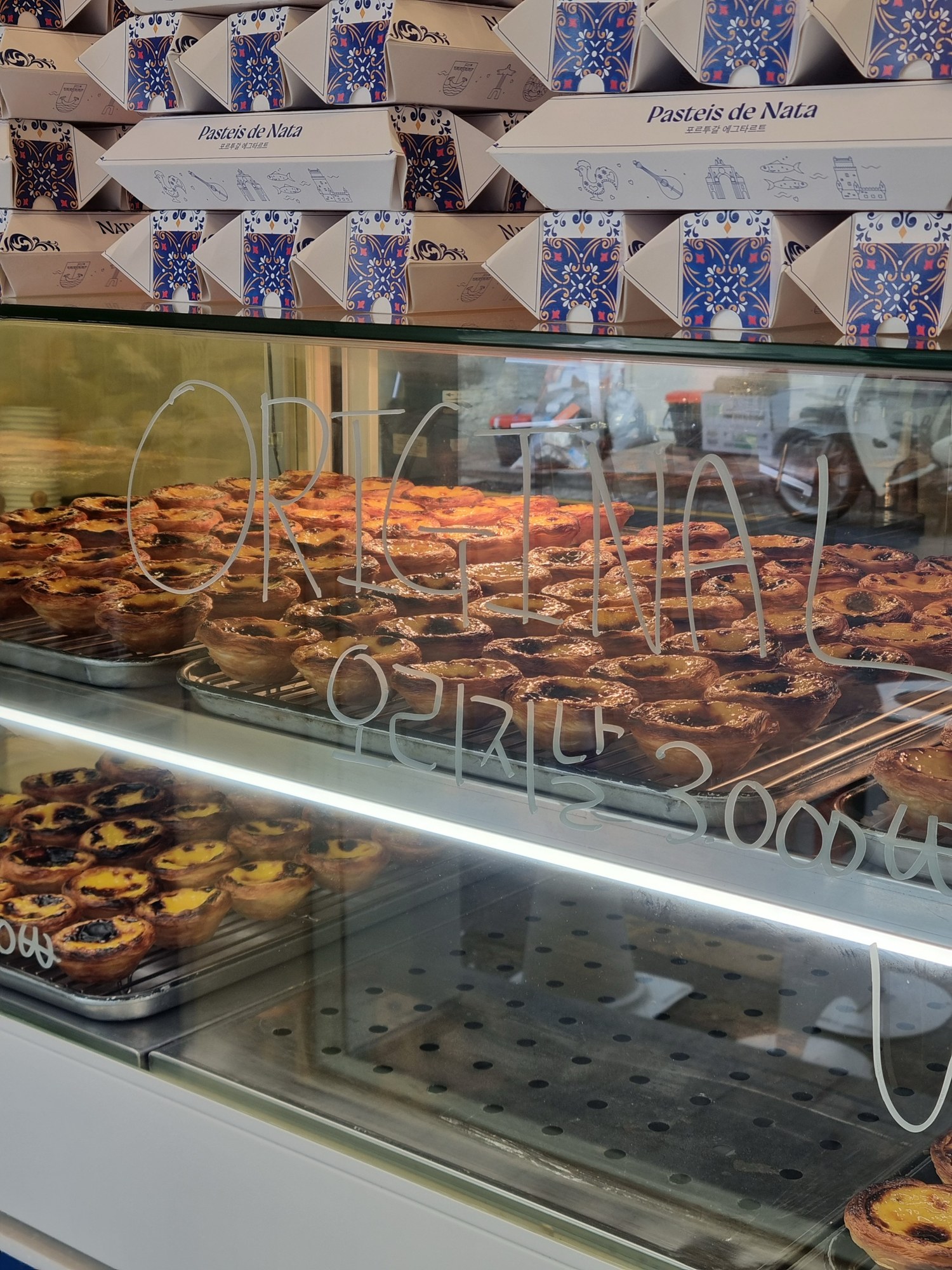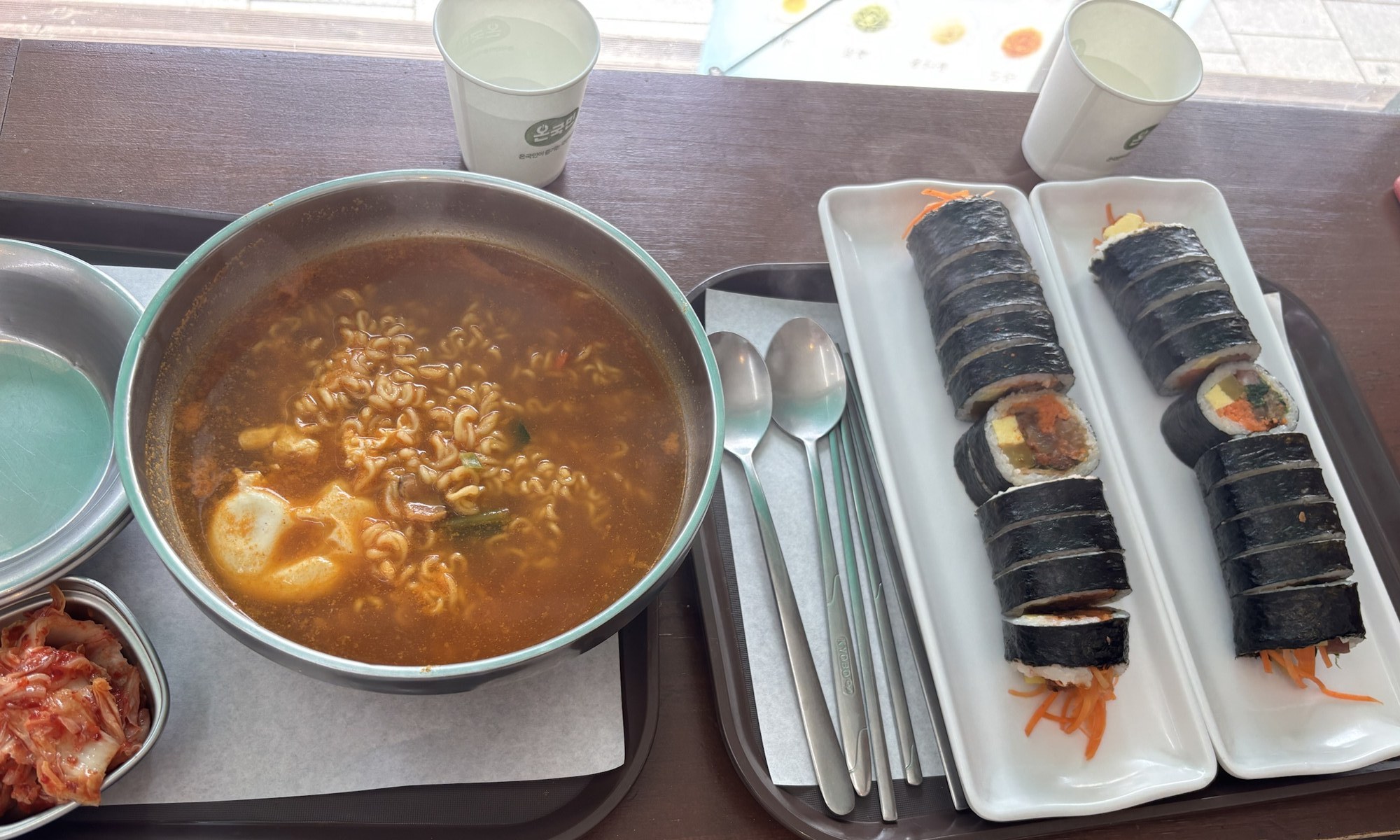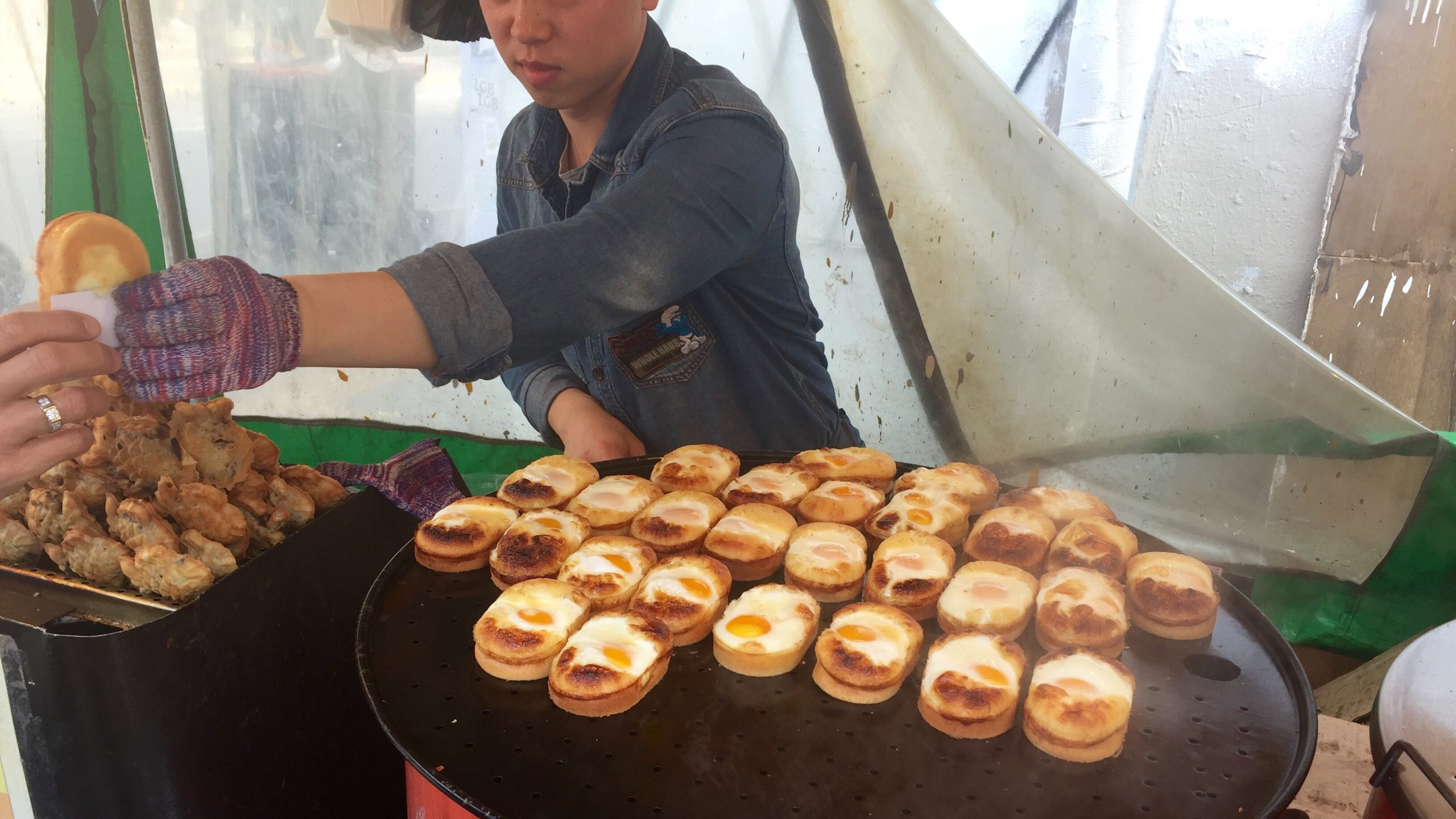
Nobody comes to take your order. There’s a button on the table. The spoons are hidden in a drawer you can’t find. The water is self-serve, the side dishes are free, and you pay at the door. Korean restaurants are wonderfully efficient once you know the system, and mildly confusing until you do. Here are the unwritten rules, in the order you’ll meet them.
The 10-second version: Find the call bell, look for the cutlery drawer under the table, get your own water, refill side dishes for free, pay at the counter on the way out, never tip. Watch out for break time between lunch and dinner.
Before you go in
Break time (브레이크타임)
Many restaurants close between lunch and dinner, often around 2:30–4:30 p.m., though it can fall anywhere from 2 to 6 p.m. Last orders often close 30–60 minutes before. Check the hours on Naver Map or look for “브레이크타임” or “휴식” on the door. This trips up more travelers than anything else on this list.
Waiting lists
Popular places use a waitlist tablet by the door. Tabling is the most common; its app needs Korean verification, so tourists usually just enter a phone number at the on-site kiosk. CatchTable Global works in English, lets you sign up with Google or Apple, accepts foreign cards, and supports remote waiting at participating restaurants. More in our CatchTable guide.
Ordering
Kiosks
Fast food, cafés and many casual restaurants have you order at a kiosk. Look for a flag icon or “English” button. Kiosks can reject foreign cards because they’re built around domestic payment networks. If yours fails, try inserting the chip instead of tapping, try a second card, or order at the staffed counter, which accepts foreign cards more often.
Table tablets
Many restaurants have a tablet on each table. Useful words: 주문하기 (order), 추가 (add), 호출 (call staff), 결제 (pay). Your order goes straight to the kitchen.
The call bell
No tablet? Look for a small button on the table or wall. Press it once and someone comes. No button? Raise your hand and say “Jeogiyo!” (excuse me). It’s not rude; it’s how it works. Waiting politely for eye contact can mean waiting forever.
Minimum orders: 2 servings and “one dish per person”
BBQ and many stew restaurants require at least 2 servings. Some places also enforce “1인 1메뉴” (one dish per person), so a group of three ordering two dishes to share may be asked to order a third. It’s common, and sometimes controversial even among Koreans, but it’s the house rule.
At the table
Find the hidden drawer
Spoons, chopsticks and napkins are usually in a drawer built into the side of the table or in a box on top. Tissues on a wall holder. Water and cups are often at a self-serve station or already in a bottle on your table.
Side dishes are free, and so are refills
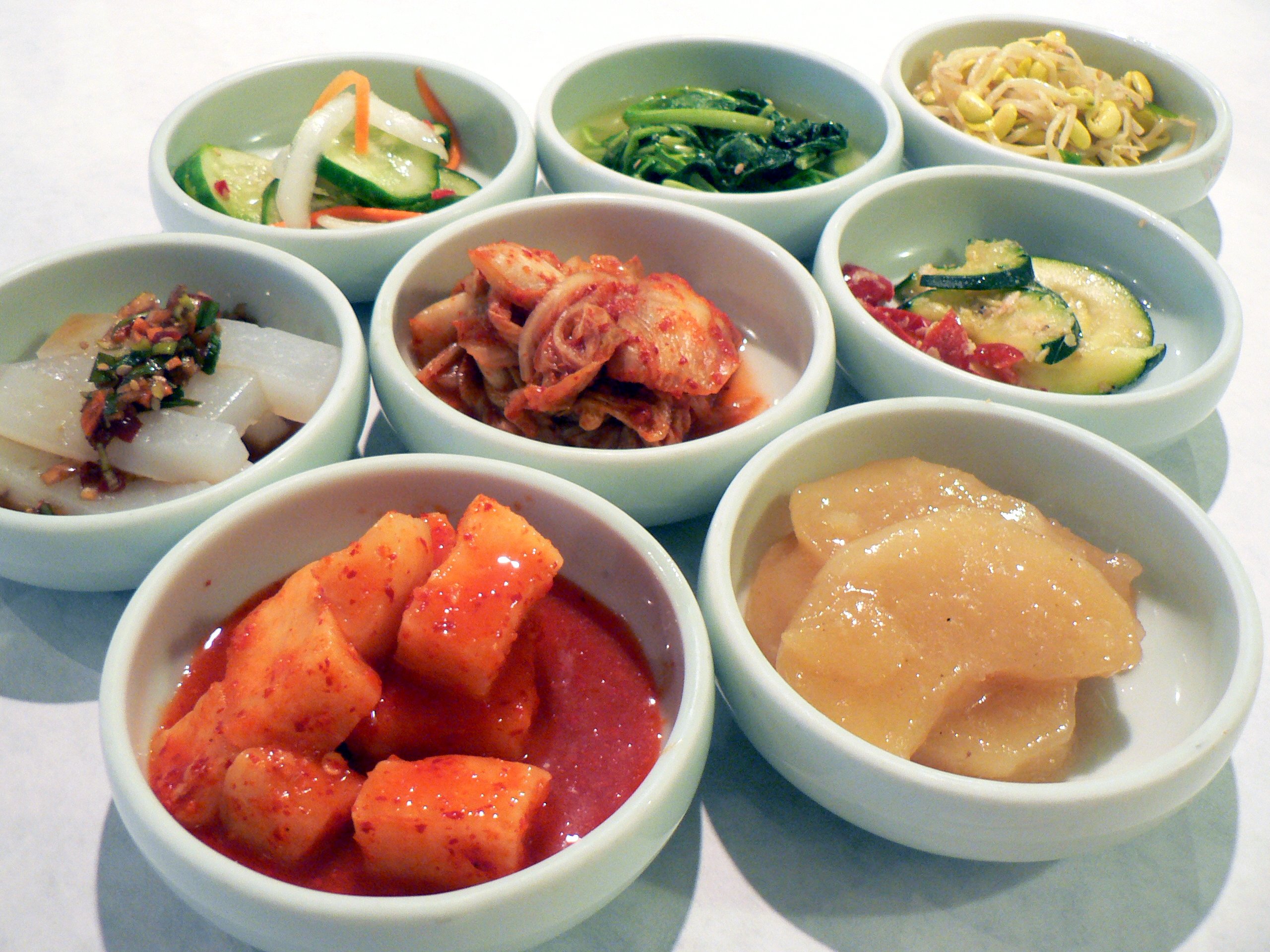
Banchan (kimchi, pickled vegetables, small salads) come free with your meal and can be refilled at no charge. Many places have a self-serve banchan bar. Otherwise ask: “Banchan deo juseyo.”
Sharing is normal
Korean meals are built for sharing: stews and main dishes go in the middle and everyone eats from them. Use the serving spoon if there is one.
Scissors are for food
Staff will cut your meat, cold noodles and even kimchi with scissors. It’s completely normal, and you can do it yourself too.
Floor seating: shoes off
If the seating is on a raised floor, take your shoes off before stepping up. Wear socks without holes.
Eating alone
Honbap (eating alone) is common in Korea now. Gukbap (rice soup) shops, kimbap restaurants, noodle shops and counter-seat restaurants are the easiest. BBQ is the hardest because of the 2-serving minimum. Our Korean BBQ guide covers solo options.
Drinking with Koreans
- Don’t pour your own drink. Pour for others and they’ll pour for you.
- Pour for elders with two hands, and receive drinks with two hands.
- When drinking with someone older, turn your head slightly away as you drink.
- The eldest usually starts eating first.
More in our guide to Korean drinking culture.
Paying
- Pay at the counter on the way out. Tell them your table number or just walk up. Nobody brings the bill.
- No tipping. It isn’t customary, and it can cause confusion.
- Cards work almost everywhere, but keep a backup card and some cash for small shops and markets.
- WOWPASS, a prepaid card for foreigners with built-in transit, works at many places where a foreign card fails. T-money is mainly for transit and convenience stores, not restaurants.
- Splitting the bill: Ask for “nanwoseo gyesan” (split payment). Many places will do it, but at busy times one person paying is easier.
Useful restaurant phrases
| English | Korean (say it like this) |
|---|---|
| Excuse me! | Jeogiyo! |
| Table for two | Du myeong-iyo |
| This one, please (pointing) | Igeo juseyo |
| Not spicy, please | An maepge haejuseyo |
| More side dishes, please | Banchan deo juseyo |
| Check, please | Gyesan halgeyo |
| Thank you, it was delicious | Jal meogeosseumnida |
FAQ
Is it rude to call the server with “Jeogiyo”?
No. It’s the normal way to get attention in Korea.
Should I tip in Korean restaurants?
No. Prices include service.
Why won’t the kiosk take my card?
Many kiosks only support domestic payment networks. Try the chip, a different card, the staffed counter, or a WOWPASS card.